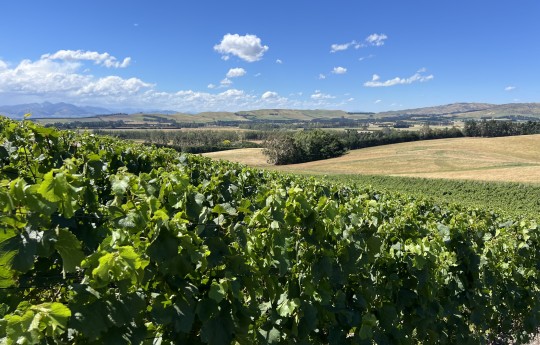
Lake Ohau and Hopkins River Track
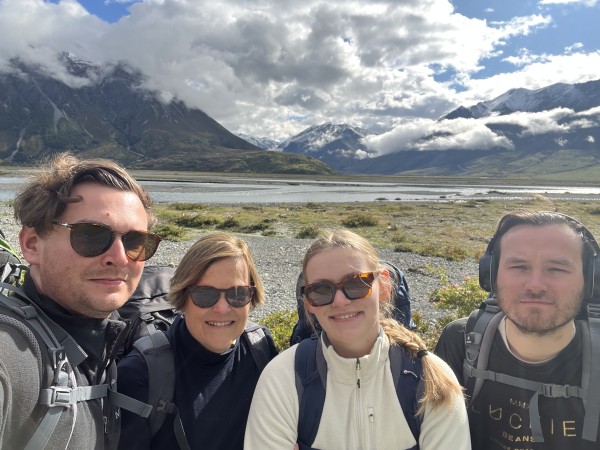 |
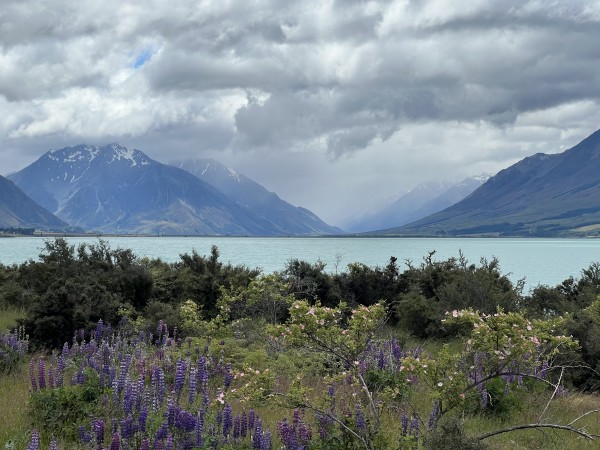
Flanked by pristine mountains on both sides, we set off on the Hopkins River Valley Track, north of Lake Ōhau, for a 3-day adventure. Oliver, Alice and Daniel joined me for the expedition.
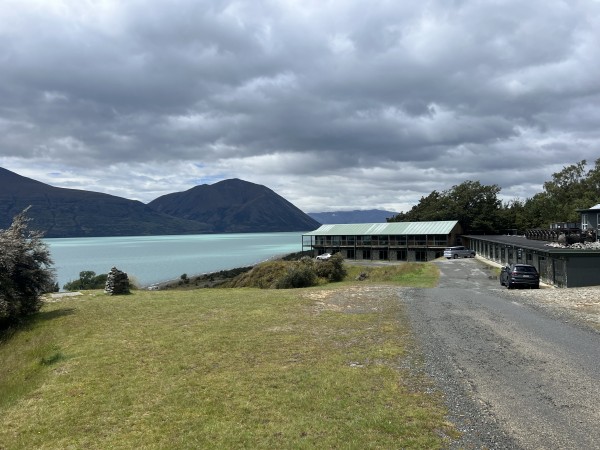
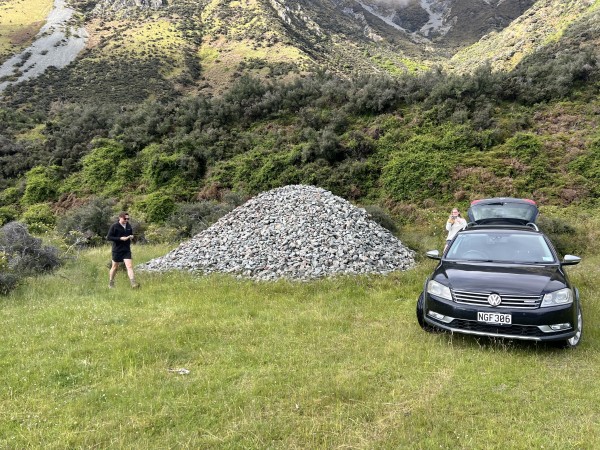
We had to abandon the planned start as the weather forecast looked pretty grim and included rain warnings and snow to 1400m. Fortunately, we were able to stay at Lake Ōhau Lodge, nestled in beside the road to Lake Ōhau ski field, also managed by Lodge.
 |
 |
The lodge attracts a mixture of kiwis and international guests and for years was an important destination for tours. The most Instagram-able photo is of people taking a plunge in the chilly lake.
 |
 |
 |
Day 1
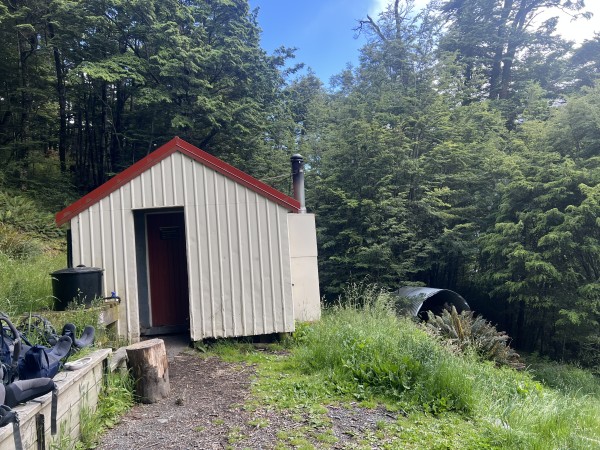
We drove up the valley as far as we could, in a 4-wheel drive car, and then set out towards Elcho Hut, passing by Monument Hut and crossing over the Huxley River on one of DOC Department of Conservation’s iconic wire swing bridge.
 |
 |
 |
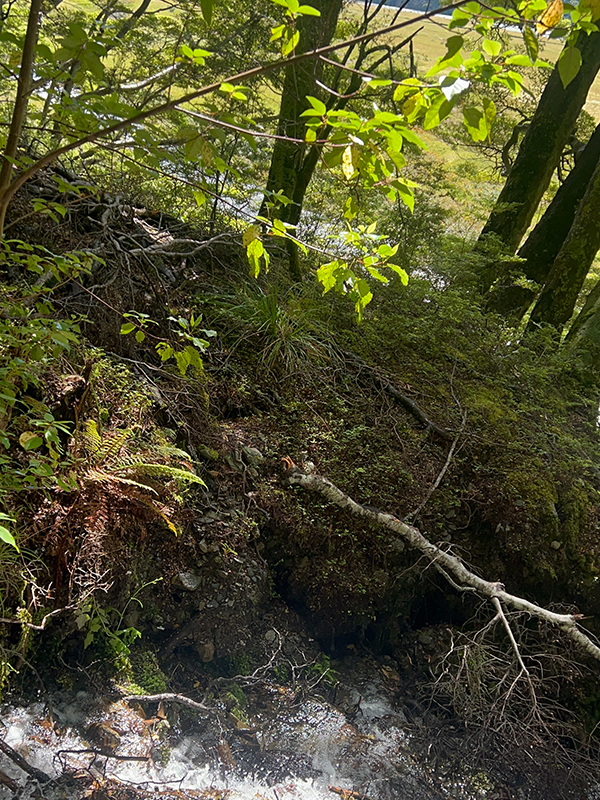
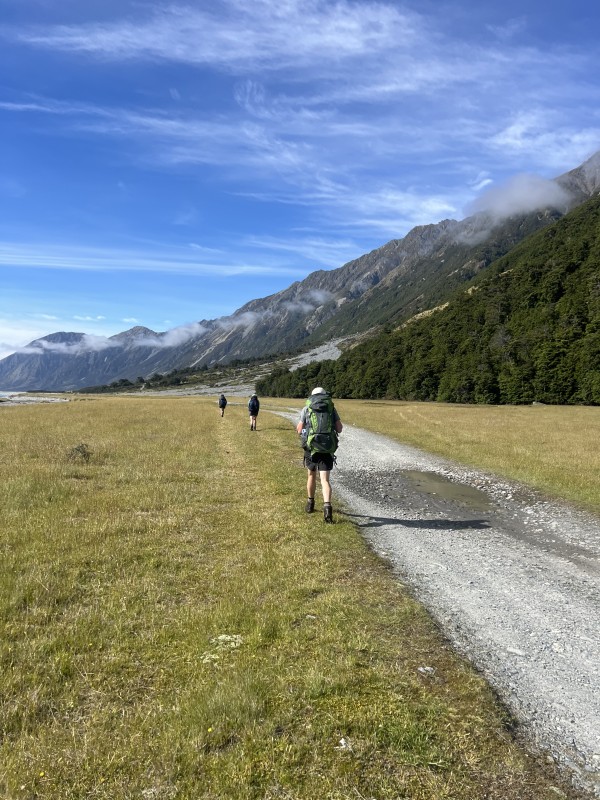
During the first hours, we walked along a 4 -wheel drive track used by deer hunters. We entered the bush at Monument Hut, walking through the native beech forest and followed an overgrown track with only marginal red-triangle signage, hindered by fallen trees which disrupted the navigation. Bush-bashing is hard work, and when the opportunity presented, we crossed back down to the river flats and followed the 4 wheel-drive track which was also patchy. We reached Elcho Hut five hours after leaving Monument Hut and just before the rain started.
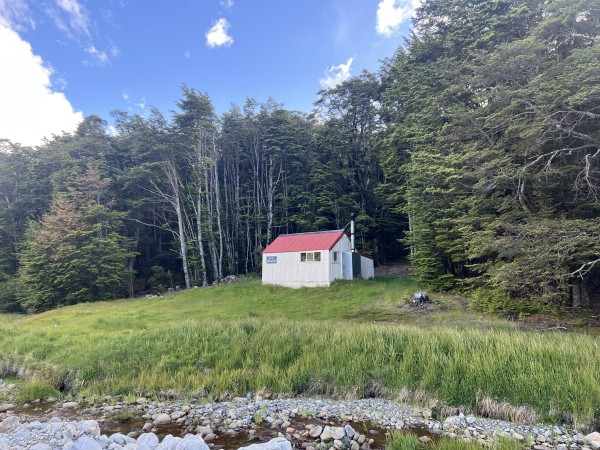 |
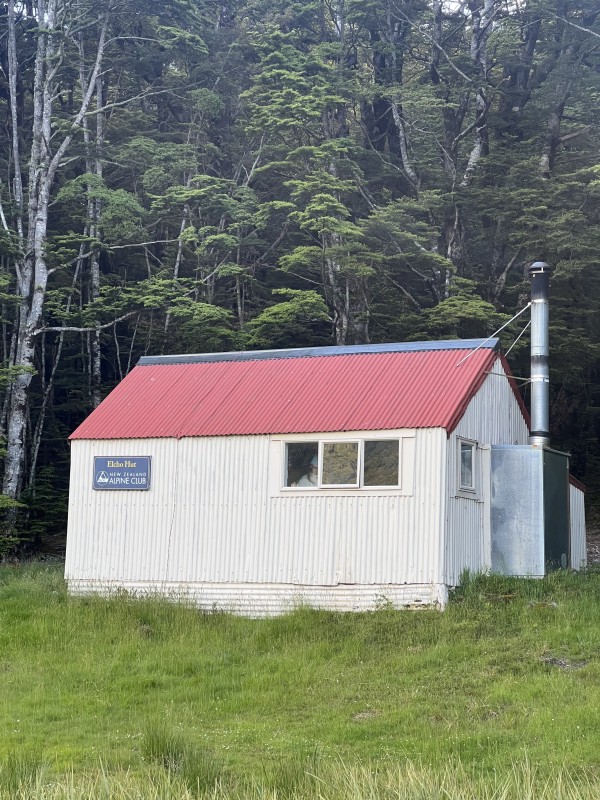
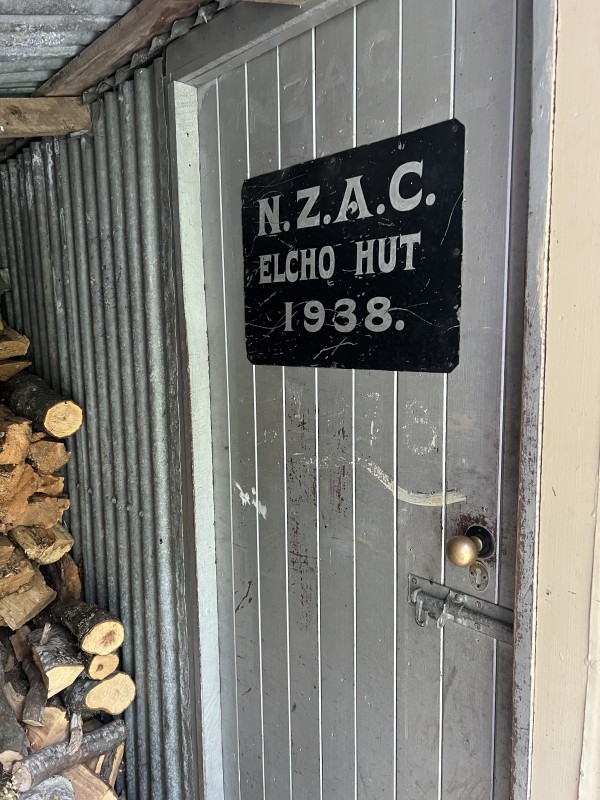
What a great hut. Owned by the New Zealand Alpine Club, it was built in 1938 with 12 bunks and a first-rate stove, with a supply of chopped wood. We lit the fire and settled in, very happy to have arrived safely.
Day 2
Overnight, there was more snow on the mountain tops, and we updated our plans to walk south, across the river to the Red Hut rather than continue up the valley to Dodger Hut.
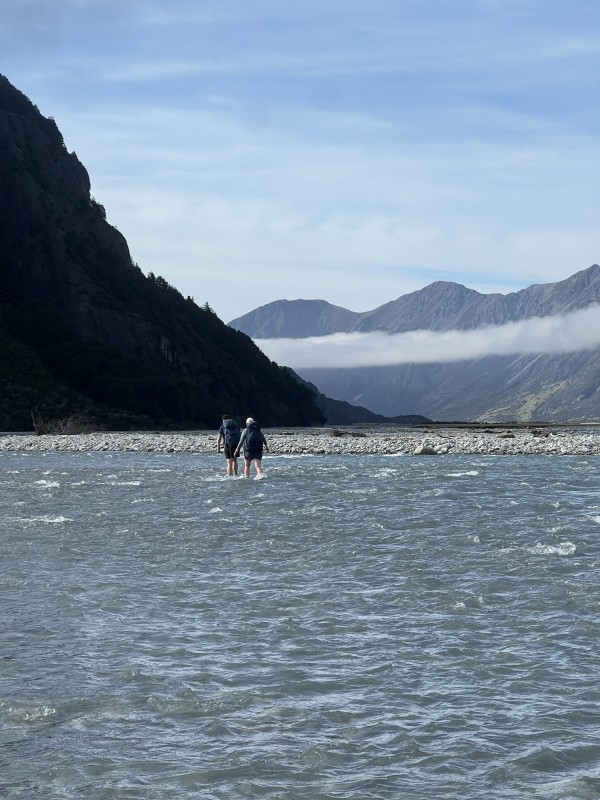 |
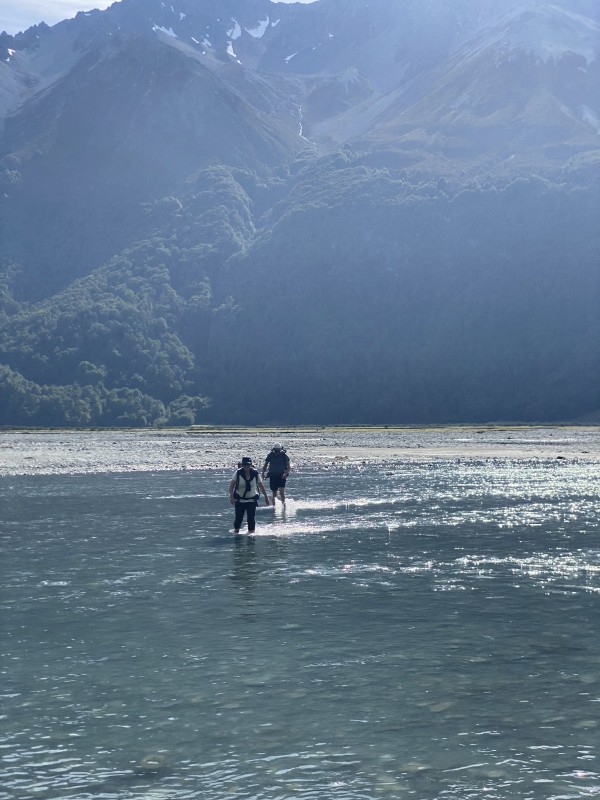
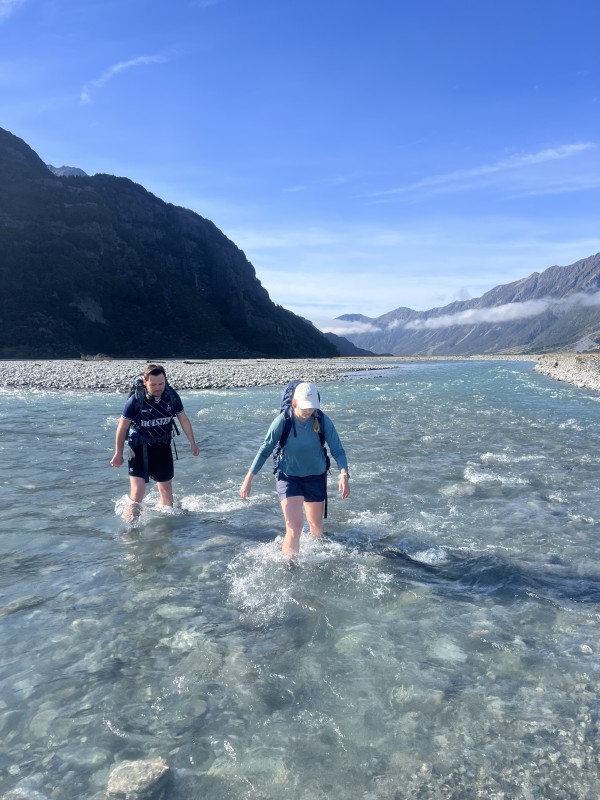
The Elcho Stream enters the Hopkins River at the Elcho Hut site. Here, the river is broad with many braids of shifting shingle. We were able to manoeuvre slowly across the river, crossing many braids, sometimes linking arms under our backpacks in the deeper, more fast-moving sections. Naturally, we enjoyed the refreshing cool mountain waters in our sodden boots.
 |
 |
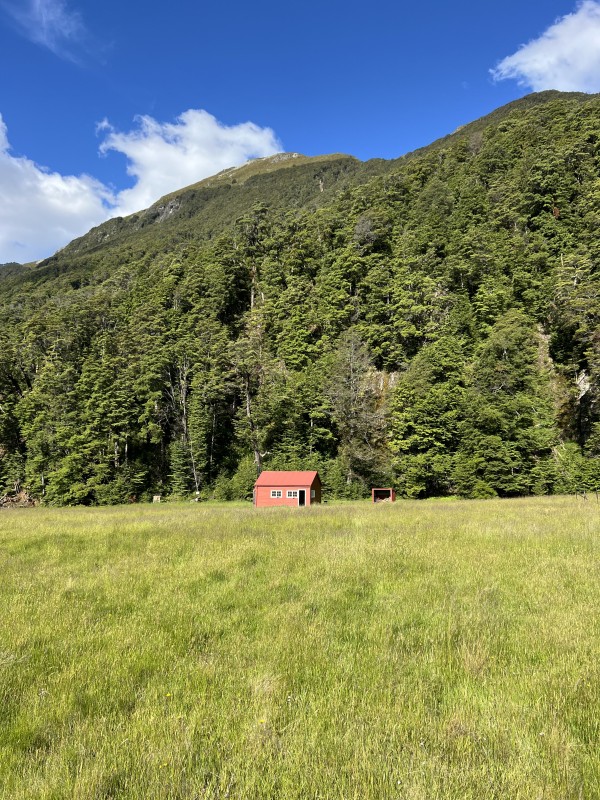 |
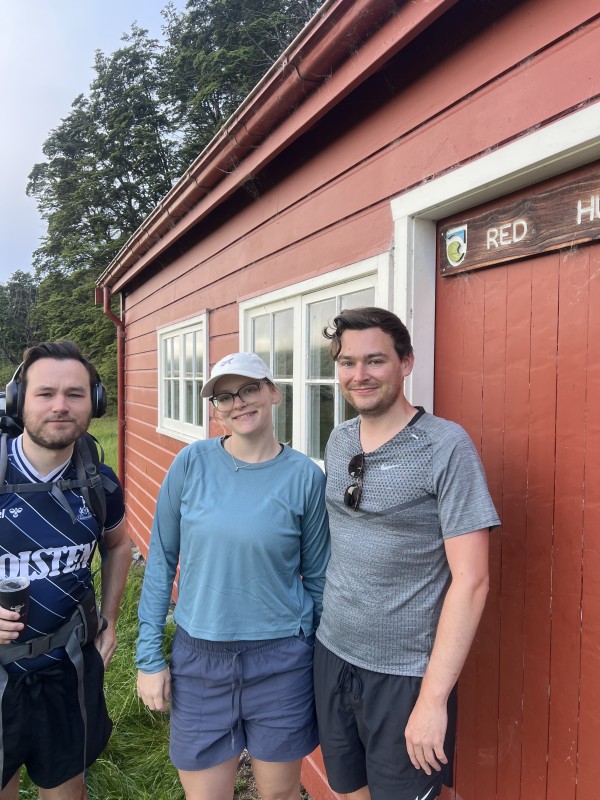
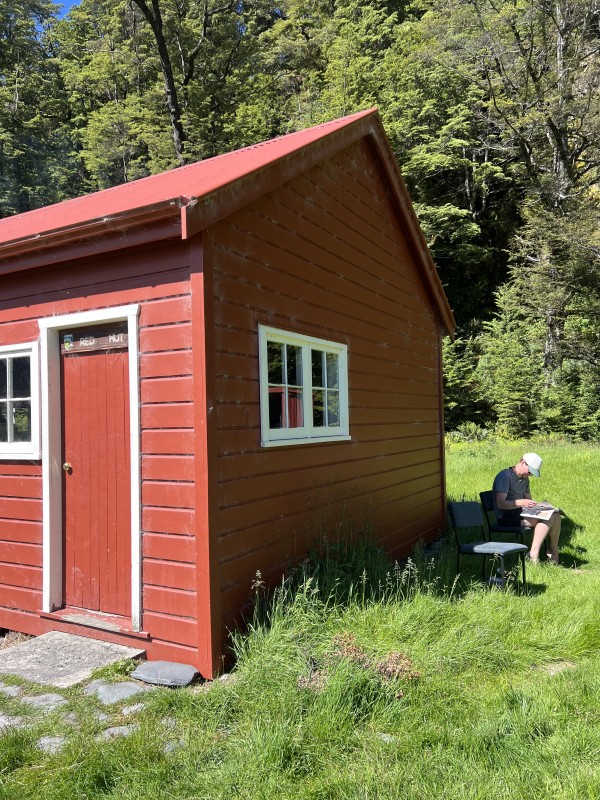
Once across, we walked south along the grassed river flats to Red Hut. This 12-bunk hut was originally built in 1916 by the intrepid Wigley Family, founders of Mt Cook Airlines. Rodolph Wigley planned a tourist walk from this hut, over to the Dobson Valley and then up to the Mueller Glacier and out to the Hermitage, Mt Cook. Not an easy journey.
 |
 |
Another great hut, fire, water and 12 bunks. In the afternoon we rested, enjoying the various magazines…no cell phone coverage here, glorious alpine sun and birdlife including pairs of Pūtangitangi Paradise shelducks and Riroriro/Grey warbler.
 |
 |
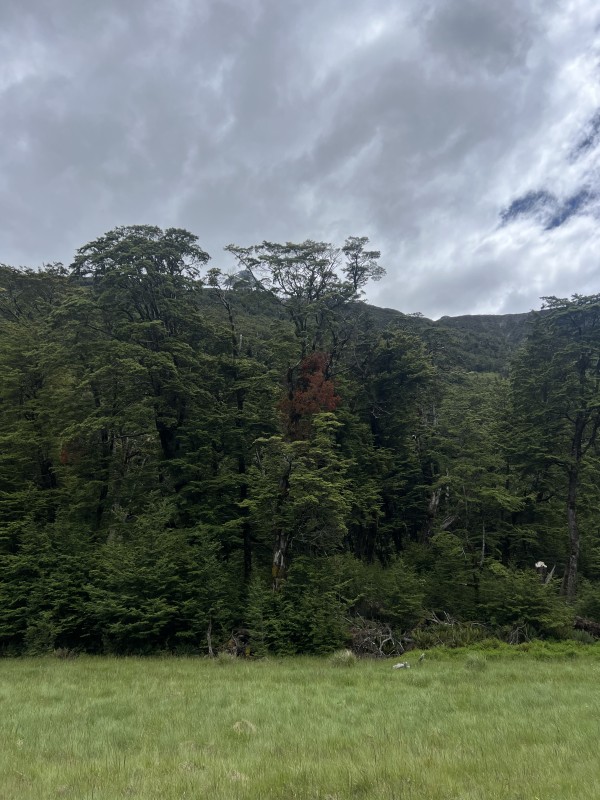 |
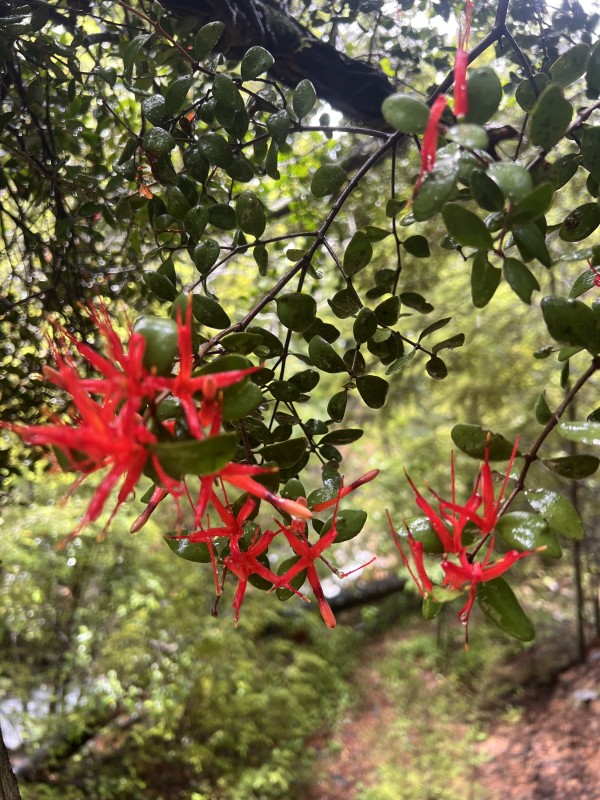
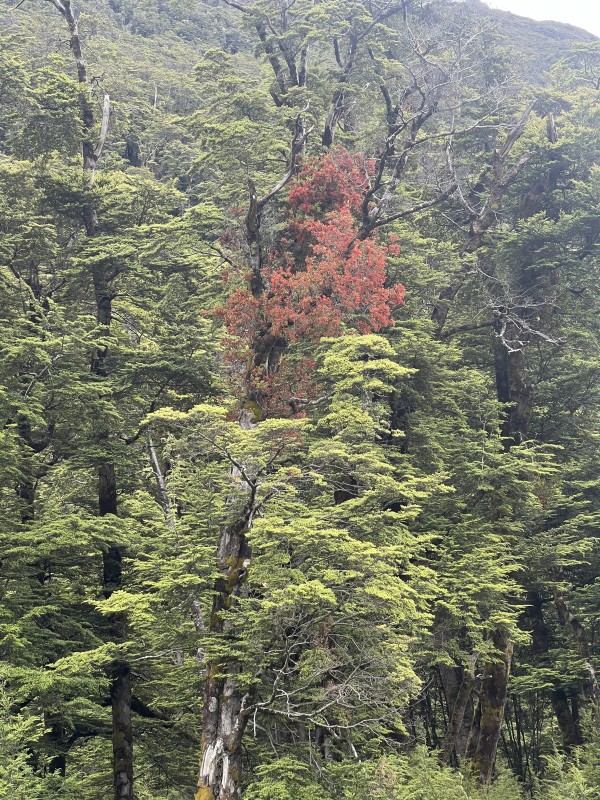
Another highlight was the flowering pikirangi, red mistletoe Peraxilla tetrapetala. Walking along the track, there are often fallen red petals but no evidence of where they came from. Pikirangi is a parasitic shrub that is hosted on tawhai Mountain Beech or Black Beech trees, it only blooms from October to January. Scanning the beech forest from the valley floor, sometimes you catch a glimpse of red flowers, high in the trees.
 |
 |
 |
Day 3
To return to our car, we needed to cross back over the river to re-join the valley track back to the carpark. Again, at several points the braids of the river would come together, and the volume of water would increase, forcing us to link arms under our backpacks to cross safely. But when the sun is shining at the air is still it doesn’t seem so hazardous as on a stormy grey day.
It was a great adventure. Approximately 40 kilometres.
Celia Hay